Source High Tensile Hex Bolt for Machinery, Chemical, and Building
Find and compare 30 high tensile hex bolt options from Chinese manufacturers. Evaluate specifications like DIN, ANSI, and GB standards, material grades including carbon and stainless steel, and customization capabilities for industrial applications.
Key considerations
Products List


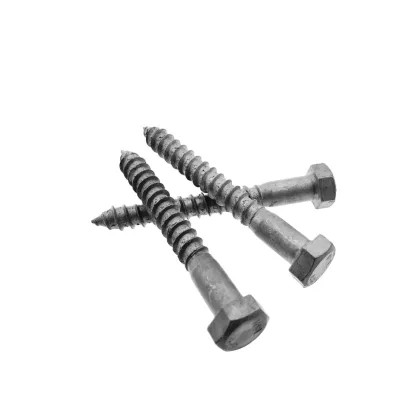


Comprehensive Sourcing Guide
High Tensile Hex Bolt Sourcing Guide
The high tensile hex bolt serves as a critical fastening solution for demanding industrial environments where structural integrity and resistance to shear forces are paramount. These components are frequently specified for heavy machinery, chemical processing plants, and large-scale building projects where standard fasteners would fail under operational stress. Buyers must recognize that the term "high tensile" implies specific metallurgical properties and manufacturing processes, such as cold or hot forging, which distinguish these bolts from general-purpose hardware. Understanding the distinction between standard hex bolts and high-tensile variants is the first step in defining a procurement strategy that aligns with safety requirements and performance expectations.
Sourcing these components requires a disciplined approach to verifying that the listed product attributes match the specific engineering demands of the application. The market offers a wide range of configurations, from heavy hex structural bolts to standard hexagon bolts, each serving different load-bearing needs. Procurement teams should focus on the intersection of material grade, thread specification, and head style to ensure compatibility with existing machinery and structural frameworks. By grounding the selection process in verified product data rather than marketing claims, buyers can mitigate the risk of component failure and ensure long-term reliability in their operations.
Product Scope and Observed Listing Signals
The observed product listings reveal a diverse range of hex bolt configurations, including heavy hex structural bolts, standard hex bolts, and specialized variants with round head styles. Listings indicate that manufacturers offer customization for all details, allowing buyers to tailor thread types such as UNC, UNF, or metric threads to specific project requirements. The product scope extends across various material grades, with carbon steel and stainless steel options available to address different corrosion resistance and strength needs. This variety necessitates a clear definition of the required specifications before engaging with suppliers to avoid confusion between standard and high-tensile offerings.
Price and minimum order quantity (MOQ) signals in the market show significant variability, with observed price ranges starting from low values up to $2.80 USD and MOQs ranging from single units to 50,000 pieces. While some listings suggest an MOQ of 1,000 or 2,000 pieces, others indicate flexibility down to 1 unit, reflecting the difference between bulk industrial procurement and sample acquisition. Buyers should note that sample availability is a common feature, with some suppliers offering free samples to facilitate quality verification before committing to larger orders. Understanding these commercial signals helps in planning the initial procurement phase and managing inventory costs effectively.
Technical Specifications to Verify
Verifying the technical specifications of high tensile hex bolts is essential to ensure they meet the rigorous demands of heavy machinery and structural applications. Key attributes to confirm include the head style, which is predominantly hexagonal but may vary, and the thread type, which must align with the mating components in the assembly. The manufacturing process, whether cold forging or hot forging, directly impacts the grain structure and tensile strength of the bolt, making it a critical factor in the selection process. Buyers must ensure that the specified thread standards, such as DIN, GB, ANSI, JIS, or BSW, match the regional or industry-specific requirements of their project.
Material composition and grade are equally critical, as the choice between carbon steel and stainless steel dictates the bolt's performance in different environmental conditions. Listings indicate that products are available in various sizes, ranging from M3 to M100 and 1/8" to 1-1/2", covering a broad spectrum of industrial needs. The finish, such as black coating, and the specific model numbers like HAB001 or LNK-22018, provide additional identifiers that help in tracking and sourcing consistent replacements. It is vital to cross-reference these specifications against the engineering drawings and load calculations to prevent mismatches that could compromise the structural integrity of the assembly.
Compliance and Safety Documentation
Compliance with international standards is a non-negotiable aspect of sourcing high tensile hex bolts, particularly for applications in the chemical industry and environmental sectors. The supplied data confirms that products often adhere to multiple standards, including DIN, GB, ANSI, JIS, BSW, GOST, and ASTM, ensuring compatibility with global engineering practices. Buyers should request documentation that explicitly states which standards the specific batch of bolts meets, as adherence to a single standard may not be sufficient for all jurisdictions or project specifications. This verification process ensures that the fasteners will perform reliably under the expected loads and environmental stresses.
Safety and quality certifications provide an additional layer of assurance regarding the manufacturing integrity and material safety of the bolts. Certifications such as ISO9001 and ISO9001:2008 are frequently cited, indicating that the supplier maintains a quality management system that meets international benchmarks. Some listings also mention certifications like RoHS and CE, which are relevant for products entering specific markets with strict environmental and safety regulations. Procurement teams must verify that these certifications are current and applicable to the specific product line being purchased, rather than assuming they cover all items in a supplier's catalog.
Cost Drivers and Commercial Terms
The cost of high tensile hex bolts is influenced by several factors, including the material grade, manufacturing process, and the complexity of customization. Carbon steel and stainless steel materials carry different price points, and the choice between cold and hot forging can impact the final cost due to variations in energy consumption and labor. Customization of details, such as specific thread lengths or unique head styles, often incurs additional charges, making it essential to balance the need for customization with budget constraints. Buyers should analyze the total cost of ownership, considering that higher initial costs for premium materials may result in lower maintenance and replacement expenses over time.
Commercial terms, including delivery time and shipping methods, play a significant role in the overall procurement strategy and project timeline. Typical delivery times range from 10 to 15 days, with shipping options available via sea, air, or express service, allowing for flexibility based on urgency and budget. The packaging method, which often involves bulk packing in small boxes followed by cartons or pallets, affects the logistics and handling costs during transit. Understanding these terms helps in planning inventory levels and coordinating with logistics partners to ensure timely delivery without incurring unnecessary expedited shipping fees.
Supplier Qualification and Quality Control
Supplier qualification is a critical step in ensuring the reliability of high tensile hex bolts, particularly given the long-term nature of industrial applications. Buyers should prioritize suppliers with a proven track record, such as those with over 20 years of experience in the manufacturing sector, as this often correlates with consistent quality and process stability. The presence of independent mold development capabilities is another indicator of a supplier's technical competence, suggesting they can produce custom designs with precision and reliability. Verifying these qualifications helps in building a supply chain that can adapt to changing project requirements without compromising on quality.
Quality control measures are the backbone of a robust procurement strategy, ensuring that every bolt meets the required specifications before shipment. The industry standard for high-quality suppliers includes 100% inspection and QC testing, which minimizes the risk of defective parts entering the assembly line. Buyers should request detailed inspection reports and test results to validate that the bolts have undergone rigorous quality checks. Additionally, the condition of the product, typically listed as "New," should be confirmed to ensure that no used or refurbished items are being sold as new, which could lead to premature failure in critical applications.
Long-Term Procurement Checks
Establishing long-term procurement checks is essential for maintaining the consistency and reliability of the high tensile hex bolt supply chain. Regular audits of supplier performance, including adherence to delivery times and quality standards, help in identifying potential issues before they impact production schedules. Buyers should also monitor changes in material costs and market trends to anticipate price fluctuations and adjust procurement strategies accordingly. By maintaining a proactive approach to supplier management, organizations can ensure a steady supply of high-quality fasteners that meet their evolving engineering needs.
Continuous verification of product specifications and certifications is necessary to adapt to changing industry standards and regulatory requirements. As standards evolve, such as updates to ISO or ASTM specifications, buyers must ensure that their suppliers remain compliant and can provide updated documentation. This ongoing diligence helps in mitigating risks associated with non-compliance and ensures that the fasteners used in critical applications continue to meet safety and performance benchmarks. By integrating these checks into the procurement lifecycle, organizations can sustain a reliable and efficient supply chain for their high tensile hex bolt requirements.
FAQs
What standards do high tensile hex bolts meet?
High tensile hex bolts typically comply with major international standards including DIN, GB, ANSI, JIS, BSW, and GOST. These standards ensure consistent dimensional and mechanical properties for global compatibility. Buyers can select specific standards based on regional regulatory requirements or project specifications to guarantee structural integrity and safety in machinery and building applications.
Can I get custom high tensile hex bolts?
Yes, customization is available for high tensile hex bolts, allowing buyers to specify unique details such as thread type, head style, and material grade. Manufacturers offer independent mold development capabilities to produce tailored solutions. This service supports specific application needs in chemical, environmental, and machinery sectors, ensuring precise fit and performance for specialized industrial projects.
What is the typical delivery time for these bolts?
The standard delivery time for high tensile hex bolts is generally 10 to 15 days after order confirmation. Shipping methods include sea, air, or express service, depending on urgency and volume. This lead time allows for efficient production processes like cold or hot forging, ensuring timely supply for construction, machinery, and industrial manufacturing projects worldwide.
What materials are used for high tensile hex bolts?
High tensile hex bolts are commonly manufactured from carbon steel and stainless steel. Carbon steel offers high strength and cost-effectiveness for general machinery and building applications, while stainless steel provides superior corrosion resistance. These materials are selected based on environmental conditions and load requirements, ensuring durability and reliability in metal processing, casting, and coating machinery.
What is the minimum order quantity for these bolts?
The minimum order quantity for high tensile hex bolts typically ranges from 1,000 to 2,000 pieces, depending on the specific product model and customization requirements. Some suppliers may accept lower MOQs for standard items, while customized orders often require higher volumes. This flexibility allows buyers to scale procurement according to project size and inventory needs.
How is quality controlled for these bolts?
Quality control for high tensile hex bolts involves 100% inspection and QC testing before shipment. Manufacturers adhere to ISO9001 certification standards to ensure consistent product quality and reliability. This rigorous process includes checking dimensions, thread accuracy, and mechanical properties, guaranteeing that every bolt meets specified standards and performs safely in heavy-duty structural and industrial applications.